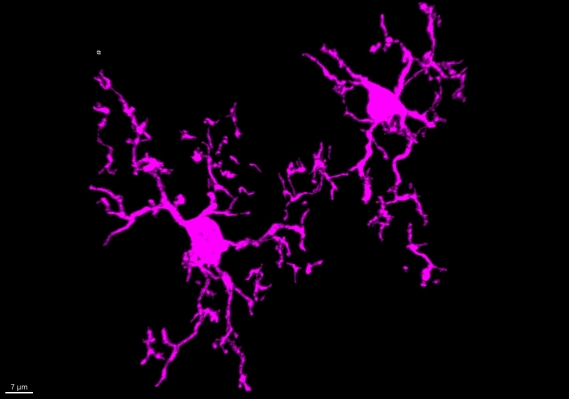
The project aims to investigate how the decline in estrogen at menopause weakens the brain’s immune defenses, increasing Alzheimer’s disease risk in women. Preliminary findings highlight a protective interaction between two estrogen-dependent brain immune cell types. The goal is to develop therapies to prevent postmenopausal cognitive decline in women, accounting for sex differences.
Women are nearly twice as likely as men to develop Alzheimer’s disease. The drop in estrogen associated with menopause is thought to play a key role by altering brain immunity. This weakened environment may promote neuronal degeneration, although the exact mechanisms remain poorly understood.
Preliminary studies suggest that estrogen loss disrupts essential immune protection, contributing to the earlier onset of symptoms in women.
Led by Agnès Nadjar, Professor of Universities, this research is conducted within the NOMAD team at the Institute of Neurodegenerative Diseases, University of Bordeaux. It could lead to the development of targeted interventions to delay or prevent cognitive decline and pave the way for non-hormonal strategies better suited to women’s specific vulnerability to neurodegenerative diseases.