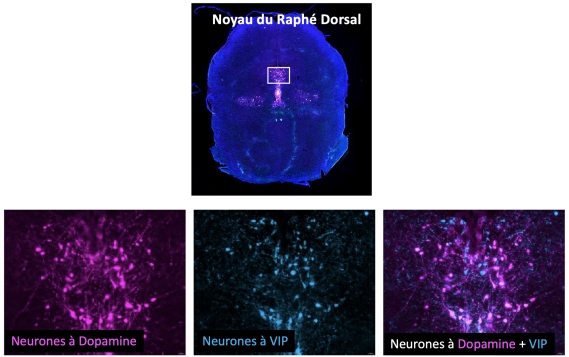
The aim of this thesis is to examine the dysfunction of one region of the brain and gain clearer insight into the neurological origin of anxiety, which has a considerable impact on the life of patients suffering from Parkinson’s Disease. The goal is to identify the effects of the vasoactive intestinal peptide (VIP) produced by specific neurons on various brain structures and establish links between dysfunctional signals and the anxiety experienced by such patients, in order to improve their daily lives.
The research is being led by the Dopamine and Neuronal Assemblies team from the Institute for Neurodegenerative Diseases at Bordeaux University.
Parkinson’s is a neurodegenerative disease, characterised by its motor symptoms (trembling at rest, bradykinesis, stiffness, etc.), which affects several million people worldwide. The disease also has non-motor symptoms such as the anxiety which has a considerable impact on the life of Parkinson patients.
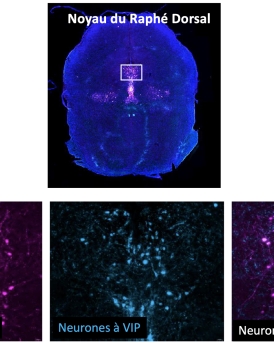
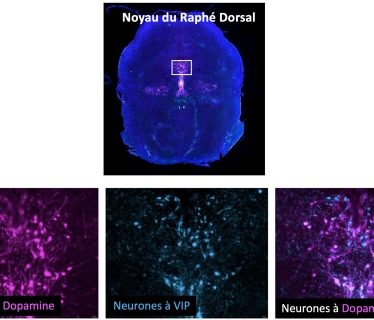
The dysfunction of a clearly-identified region of the brain, the dorsal raphe nucleus (DRN), would appear to be at the origin of the development of anxiety in patients. Highly-specific neurons associated with this region are notably capable of secreting a neuropeptide known as vasoactive intestinal peptide (VIP). This thesis thus aims to better understand the role and involvement of this neuronal population in the release of VIP, and subsequently find a new way to treat anxiety and improve life for Parkinson patients.